
Moments of increased
trace mineral demand
Moments
of increased
trace mineral
demand
Strategic supply at times
of increased trace mineral demand
In some cattle breeding systems, mainly on pasture,
trace mineral deficiencies are common due to¹:
Inadequate trace mineral content in forages
Presence of oral antagonists (e.g. sulfur, molybdenum and iron)
Trace mineral supplementation variability
Poor bioavailability of trace minerals provided orally
Lower intake and high mineral excretion at times of stress
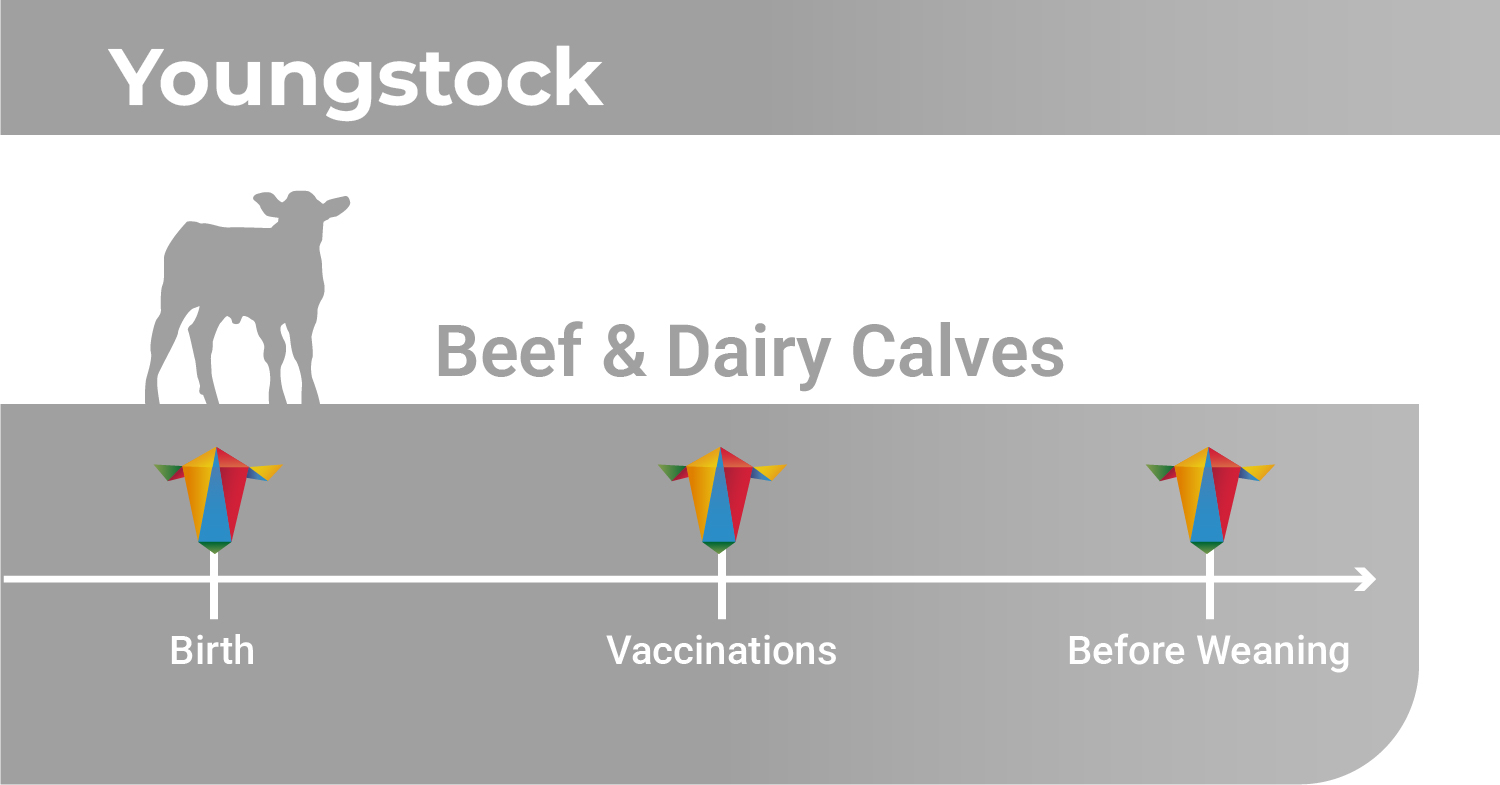
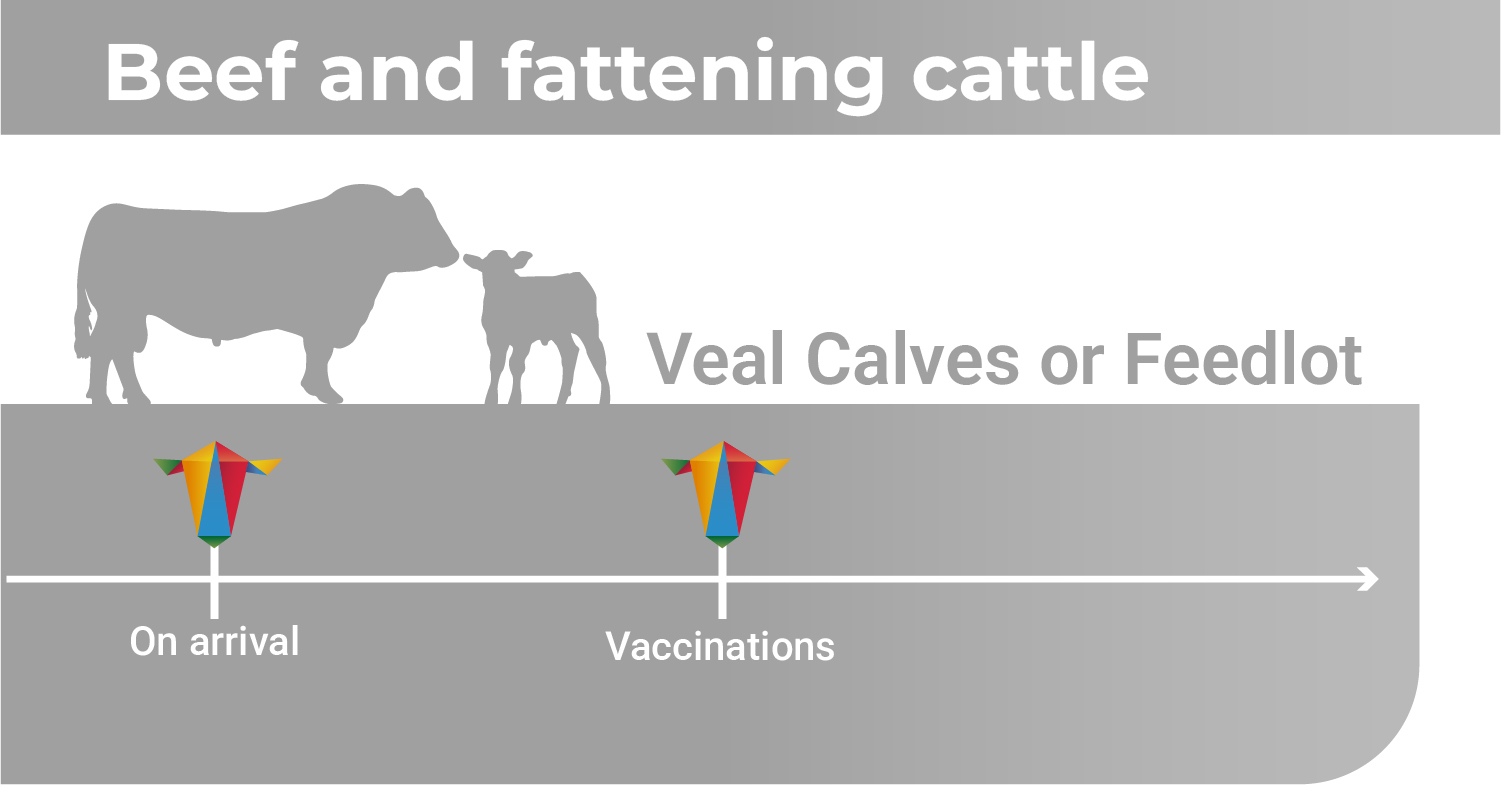
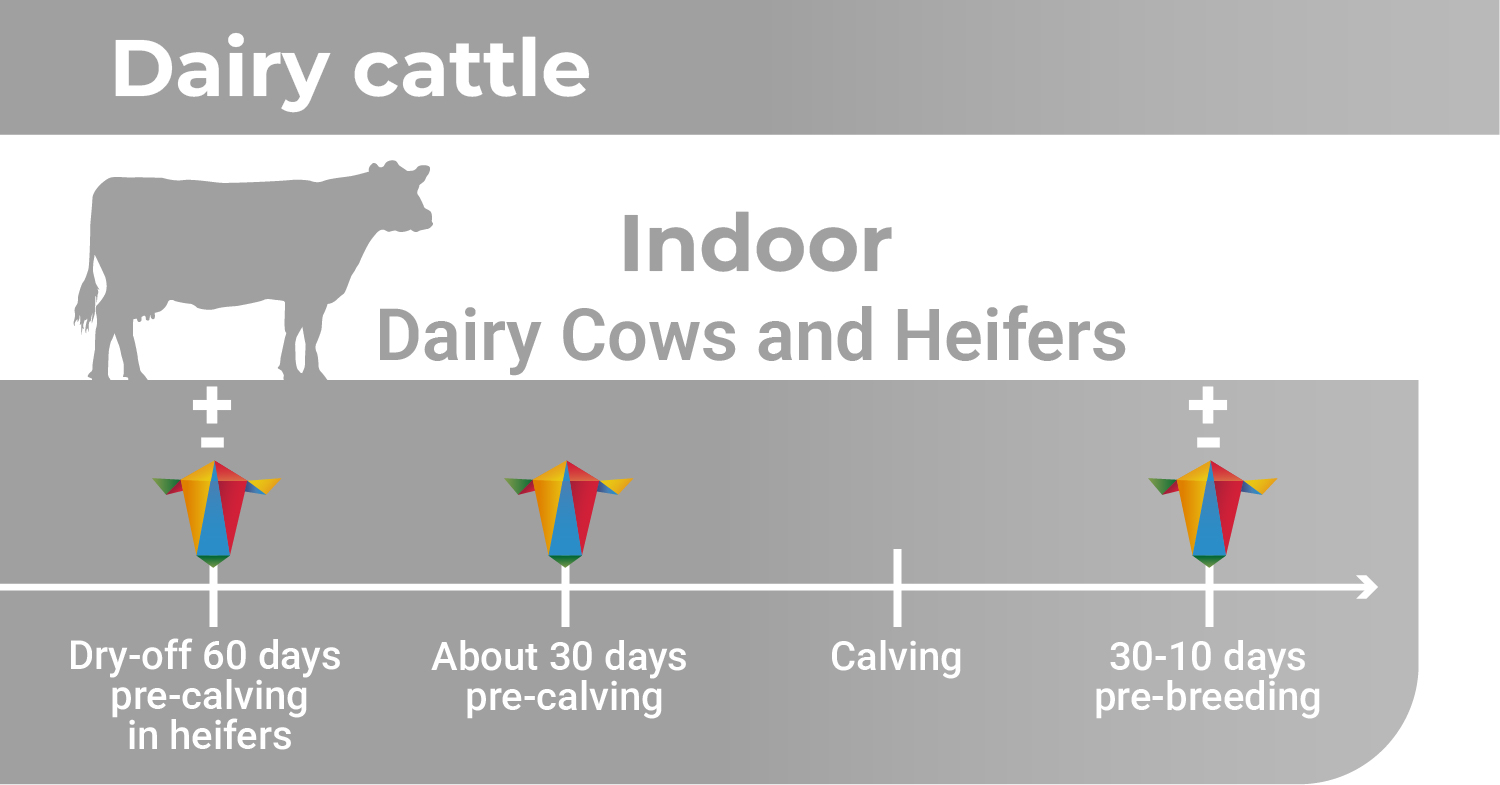
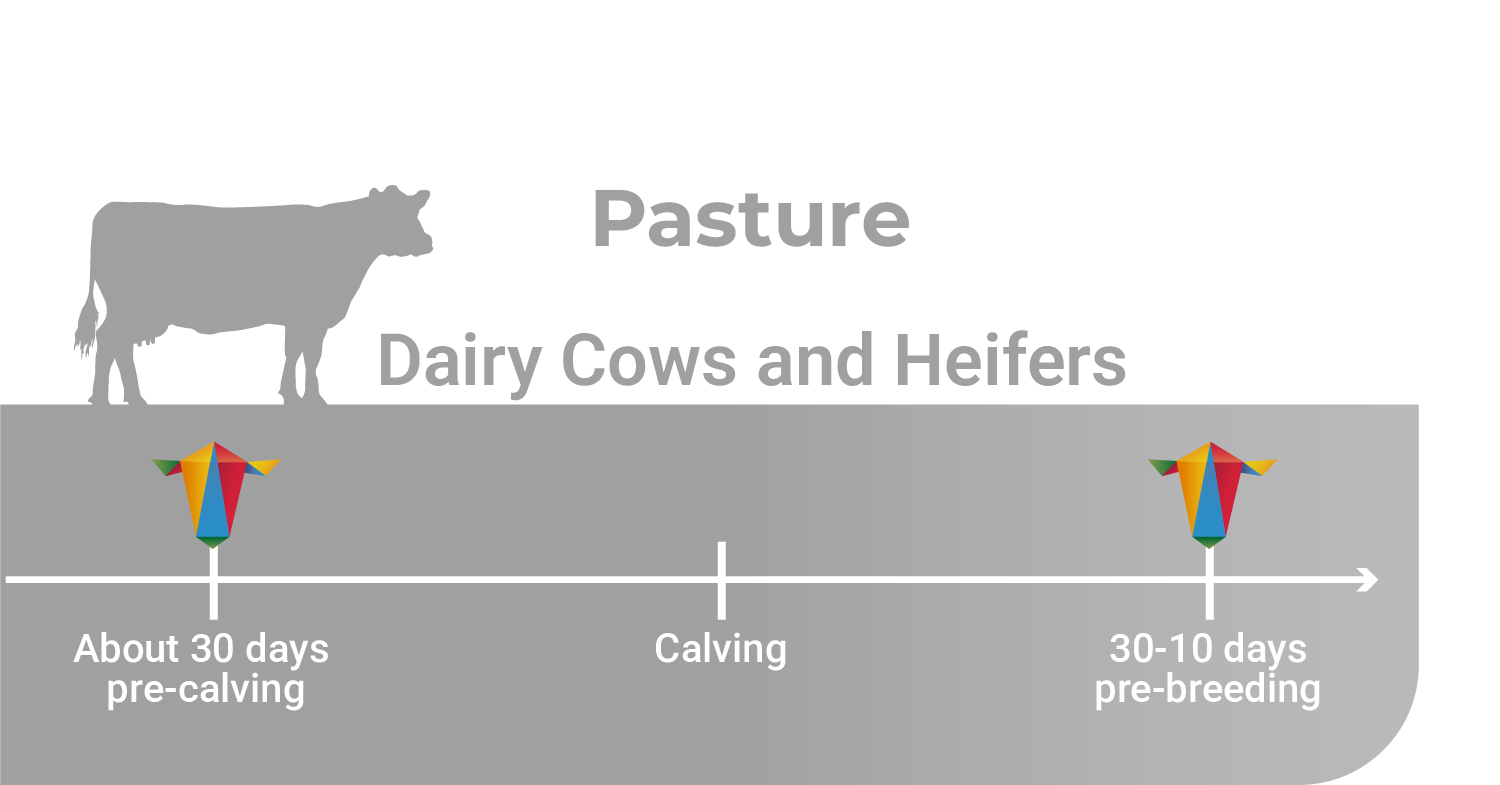
Even in adequately supplemented cattle, studies recognise times of increased trace mineral demand:
Infections²
Vaccinations¹
Stress³
Transportation¹
At dry-off in dairy cows⁴
During periparturient oxidative stress⁵
Calves’ early life⁶
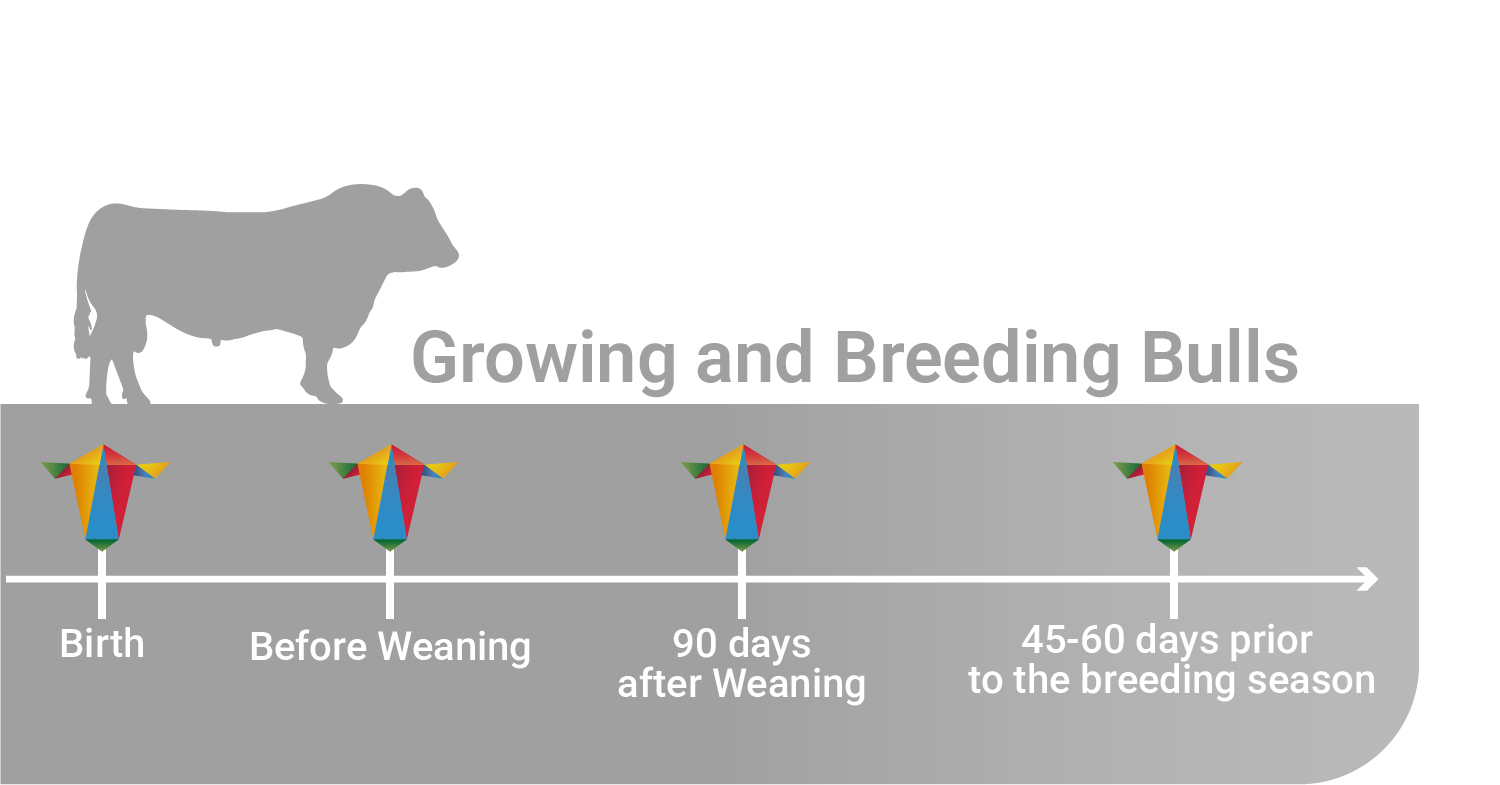
Examples of strategic trace mineral supplementation
References
1. Palomares, R. 2022. “Trace Minerals Supplementation with Great Impact on Beef Cattle Immunity and Health” Animals 12, no. 20: 2839.
2. Orr, C.L. et al., 1990. “Serum copper, zinc, calcium and phosphorus concentrations of calves stressed by bovine respiratory disease and infectious bovine rhinotracheitis.” J. Anim. Sci. 68:2893-2900.
3. Megahed A. et al., 2023. “Evaluation of the stress-reducing effect of trace mineral injection in beef calves” J Vet Intern Med. 2023;1–8.
4. Mezzetti M. et al., 2019. “Inflammatory status and metabolic changes at dry-off in high-yield dairy cows” Italian Journal of Animal Science, 19:1, 51-65.
5. Sordillo L. 2013. “Review Article: Selenium-Dependent Regulation of Oxidative Stress and Immunity in Periparturient Dairy Cattle” Veterinary Medicine International, Volume 2013, Article ID 154045.
6. Nayak, A. & Abuelo, A. 2021. “Parenteral Antioxidant Supplementation at Birth Improves the Response to Intranasal Vaccination in Newborn Dairy Calves.” Antioxidants 2021, 10, 1979.